


Everything Fashion Buyers and Streetwear Fans Need to Know About Pelle Pelle
If you have ever stood in a vintage store, scrolled through a streetwear marketplace, or watched a classic hip-hop music video and wondered how to say the name on that iconic leather jacket correctly, you are not alone. Pelle Pelle is one of those brand names that people recognize instantly but often hesitate to say out loud.
This guide answers the pronunciation question directly, then goes further to cover what the name means, where the brand came from, why it matters in fashion history, and what makes Pelle Pelle jackets worth knowing about whether you are buying your first piece or adding to an existing collection.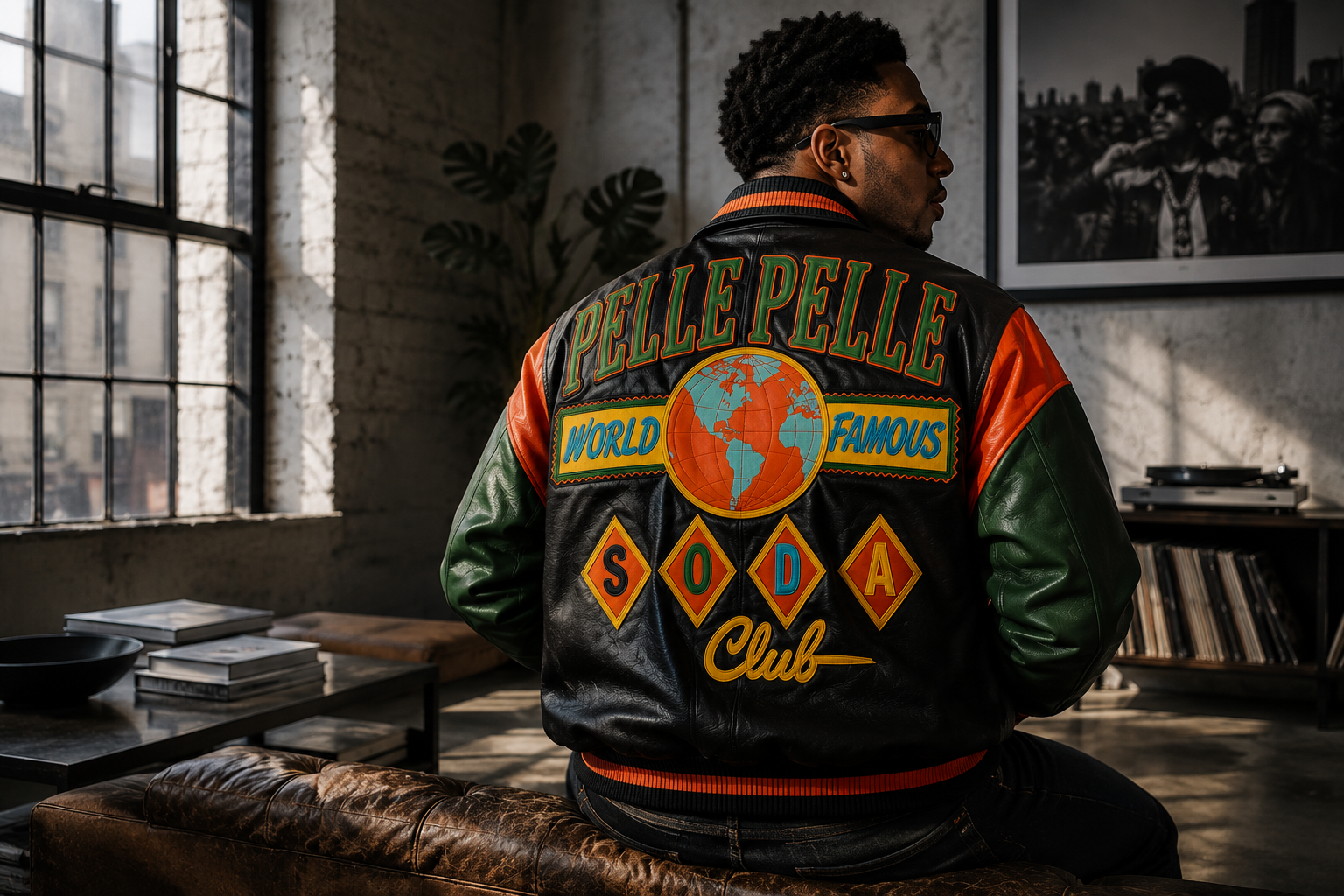
How Is Pelle Pelle Pronounced?
Pelle Pelle is pronounced “PEL-ay PEL-ay.” The name comes from the Italian word for skin or leather, and the correct pronunciation follows Italian phonetic rules where the final “e” is spoken as a distinct syllable. In everyday streetwear culture, many people also say “PEL-ee PEL-ee,” and both versions are widely understood and accepted.
The brand name is written the same way twice, which reflects the Italian linguistic pattern of repeating a word for emphasis. In Italian, “pelle” means skin or leather, so “Pelle Pelle” translates directly as “leather leather” or, more expressively, “all leather” or “pure leather.”
For English speakers, the most accurate pronunciation is:
Pelle = PEL-ay (rhymes with “belly” but with the final syllable opened slightly, as in “ay”)
Said together: PEL-ay PEL-ay
In American streetwear and hip-hop circles, the shorthand pronunciation PEL-ee PEL-ee became standard and is how most longtime fans of the brand say the name. Neither version is wrong in a practical sense. If you are speaking with someone familiar with the brand, either pronunciation communicates clearly.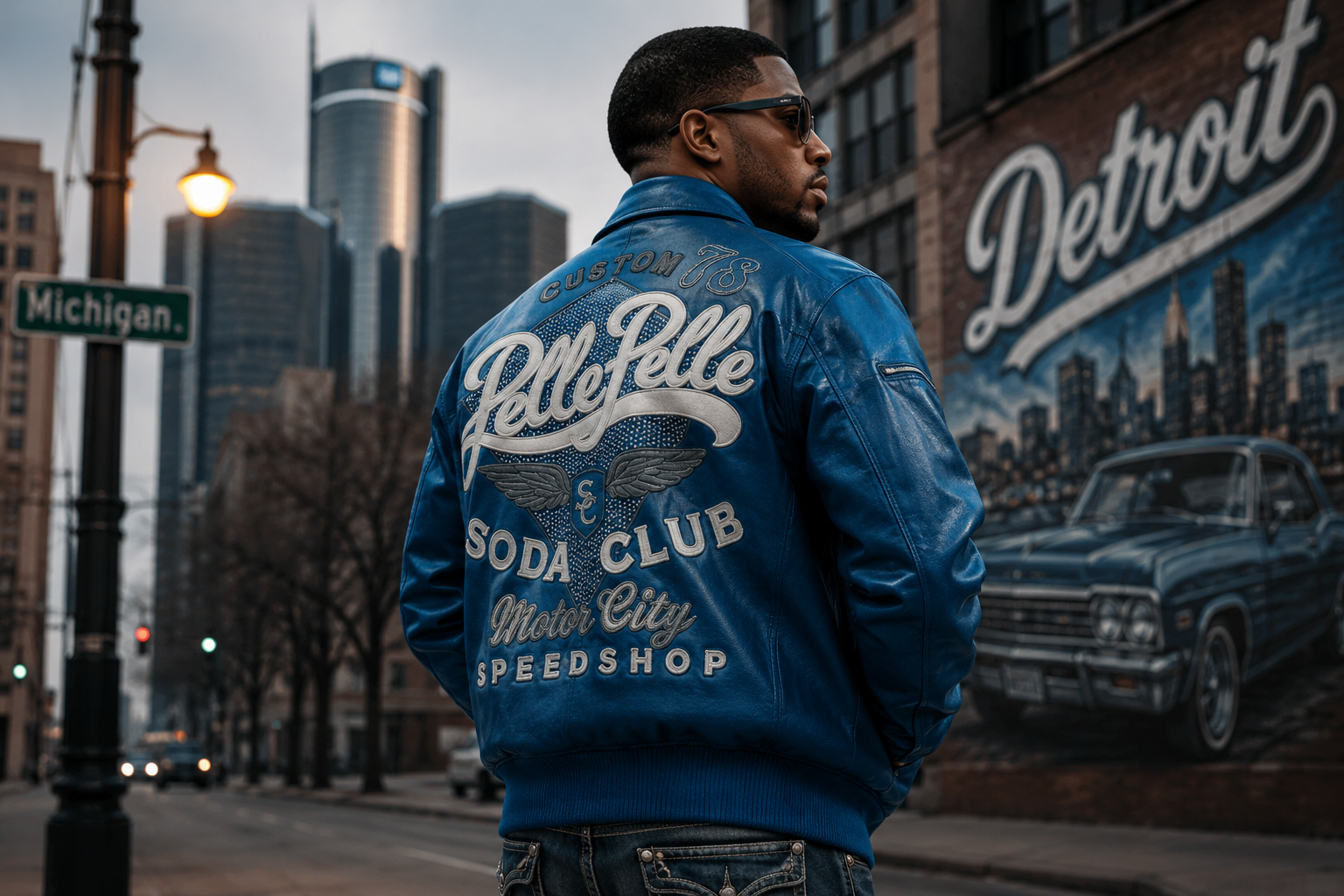
What Does Pelle Pelle Mean?
Pelle Pelle means “leather leather” or “pure leather” in Italian. The word “pelle” in Italian translates to skin or leather. By repeating the word, the brand name emphasizes the material that defined its identity: premium leather craftsmanship applied to urban streetwear.
The choice of an Italian name was deliberate. When Marc Buchanan founded the brand in Detroit in 1978, Italian fashion carried strong associations with luxury craftsmanship and quality materials. Using an Italian name positioned the brand within that tradition while applying it to a distinctly American urban aesthetic.
The name was not arbitrary. Buchanan built his brand around leather jackets specifically, and naming the company after the very material it worked with gave the brand a clear, memorable identity from the start.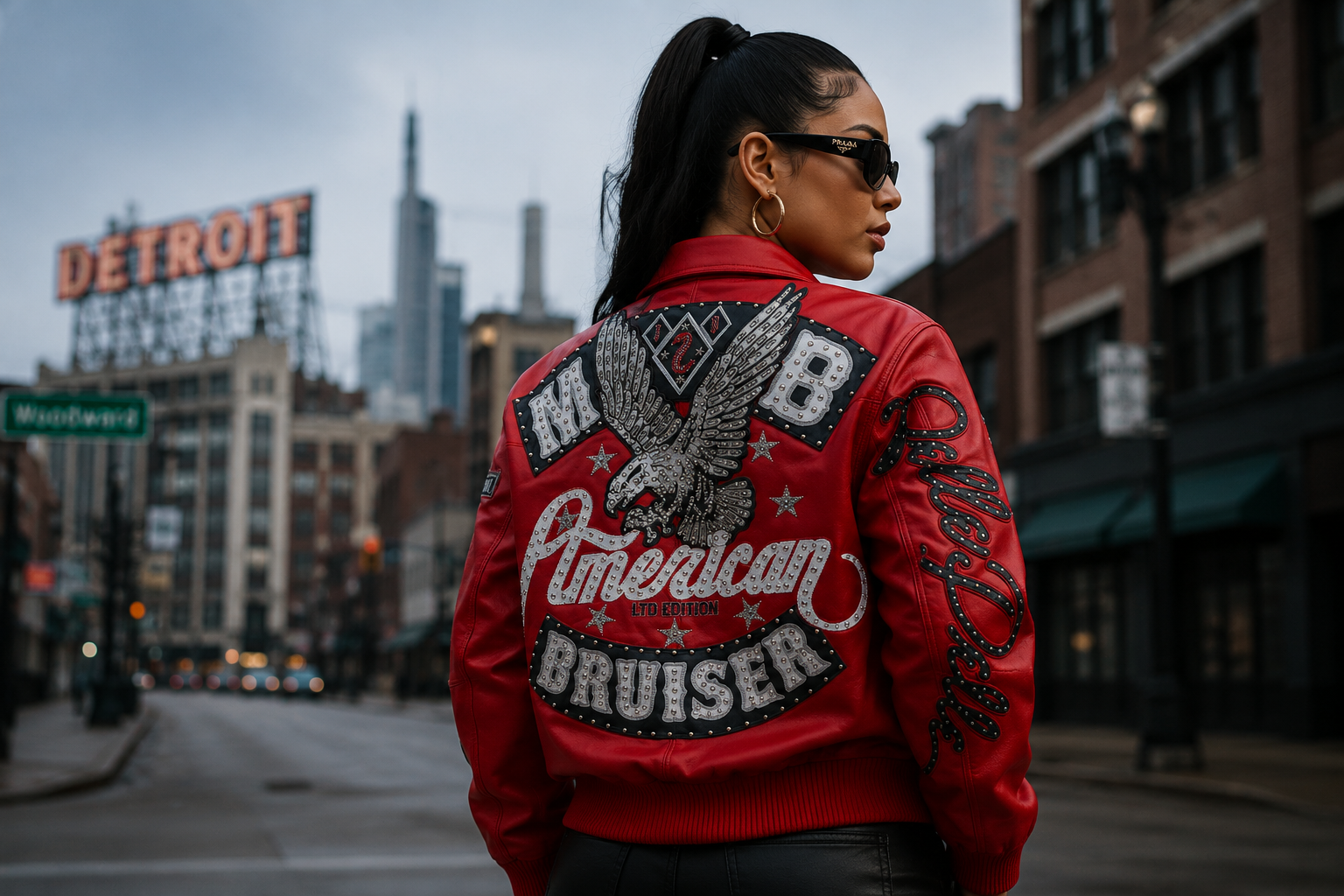
The Origin of the Pelle Pelle Brand
Pelle Pelle was founded by Marc Buchanan in Detroit, Michigan, in 1978. Buchanan started the brand as a leather goods and jacket manufacturer and grew it into one of the most recognizable names in urban fashion through the 1980s and 1990s. The brand became closely associated with hip-hop culture and luxury streetwear before that category had a widely recognized name.
Marc Buchanan’s background was in design and garment construction. He recognized that the urban fashion market had little representation in the luxury outerwear space and built Pelle Pelle to fill that gap. The brand’s early pieces were characterized by high-quality leather, bold embroidery, and designs that reflected urban culture without compromising on material quality or construction standards.
Detroit as a founding location is relevant to understanding the brand’s character. The city’s manufacturing culture and working-class identity influenced the brand’s commitment to real materials and functional construction, while its music scene created a natural connection to the hip-hop and R&B communities that would carry the brand into mainstream visibility.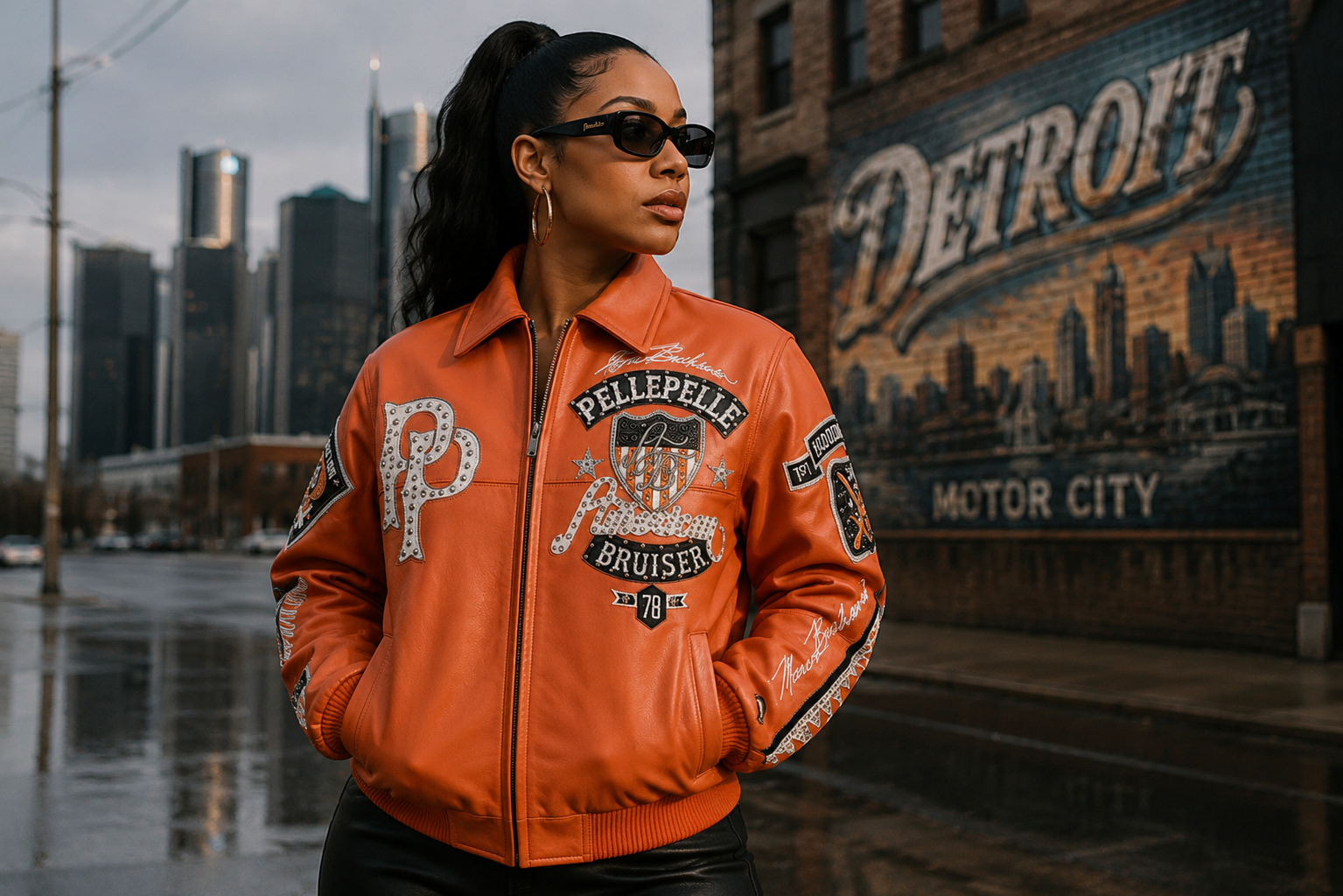
Why Pelle Pelle Matters in Fashion History
Pelle Pelle matters in fashion history because it was one of the first brands to position premium leather outerwear directly within urban and hip-hop culture. At a time when luxury fashion largely ignored that market, Pelle Pelle offered genuinely high-quality men’s leather jackets designed for and embraced by a community that had previously been underserved by the outerwear industry.
Through the late 1980s and the entire 1990s, Pelle Pelle jackets appeared on some of the most influential figures in music and entertainment. The brand did not need conventional luxury fashion endorsement because it built its reputation through cultural authenticity rather than marketing campaigns.
This positioning was significant. Pelle Pelle demonstrated that urban consumers wanted and would invest in quality outerwear, a point that the broader fashion industry took decades to fully acknowledge. In that sense, the brand was ahead of the market it helped create.
The jackets themselves became status items within hip-hop culture, recognized not only for their appearance but for what they represented: quality, craft, and a brand that took its customer base seriously.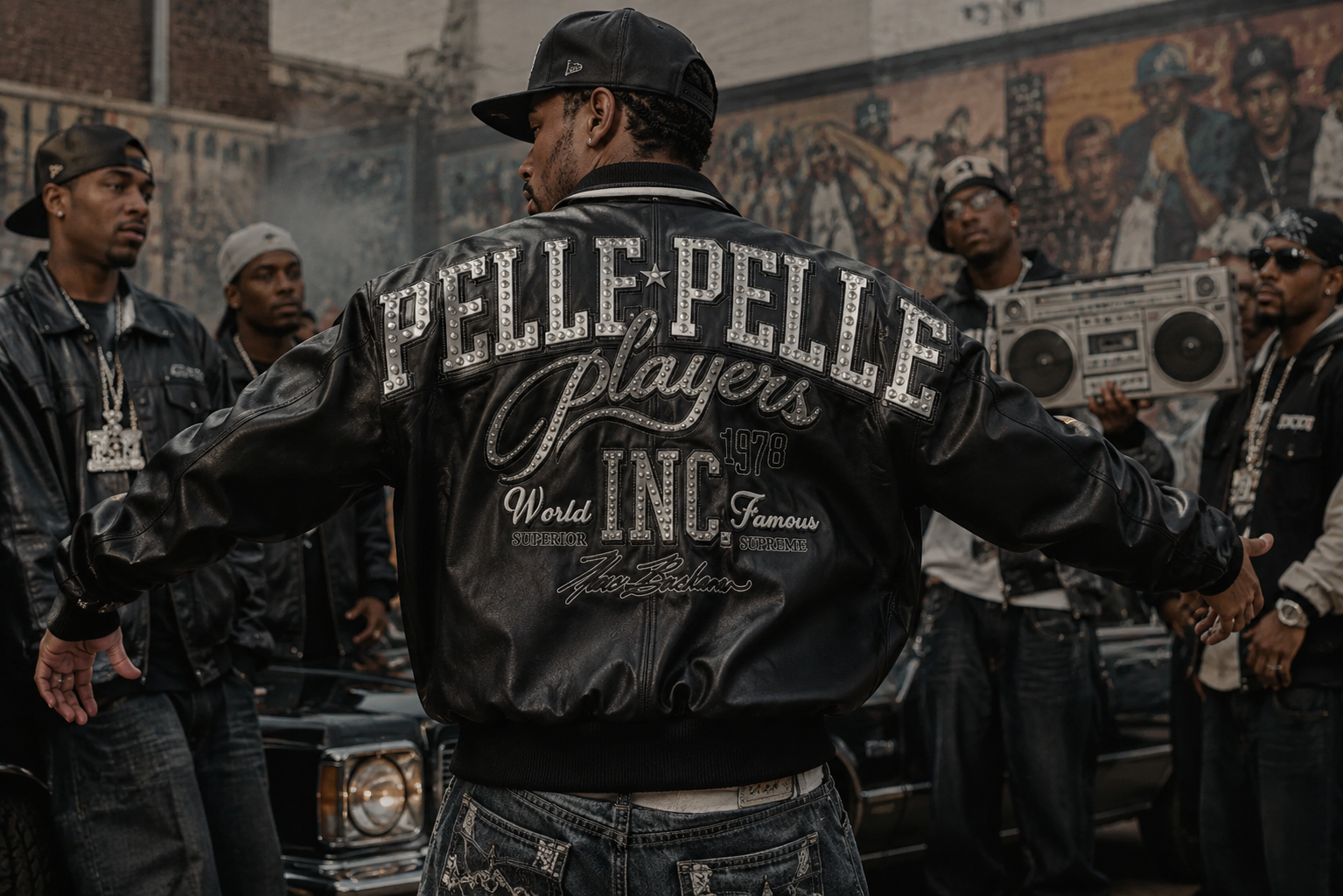
What Makes Pelle Pelle Jackets Distinct
Pelle Pelle jackets are distinct because of their combination of genuine leather construction, detailed embroidery work, bold graphic elements, and urban design sensibility. The brand applies traditional leather craftsmanship techniques to designs that reflect streetwear and hip-hop aesthetics, producing jackets that function as both outerwear and statement pieces.
Several design and construction characteristics define the Pelle Pelle aesthetic.
Leather quality. Pelle Pelle jackets use genuine leather, primarily cowhide and lambskin depending on the specific style. The brand’s identity is built around the material, which means leather selection and finishing are central to production decisions rather than afterthoughts.
Embroidery. Detailed embroidery is one of the most recognized visual elements of Pelle Pelle jackets. Designs range from brand logos and text to complex graphic panels that cover significant portions of the jacket’s back and sleeves. The embroidery is stitched directly into the leather, which requires more technical skill than embroidering on fabric.
Color range. Unlike many leather jacket brands that focus primarily on black and brown, Pelle Pelle produced jackets in a wide range of colors including red, blue, white, and two-tone combinations. This color confidence was part of the brand’s visual identity and distinguished its pieces from conventional outerwear.
Hardware and finishing. Zippers, snaps, buckles, and lining materials on Pelle Pelle jackets reflect the brand’s attention to the full construction of the piece rather than just the outer surface.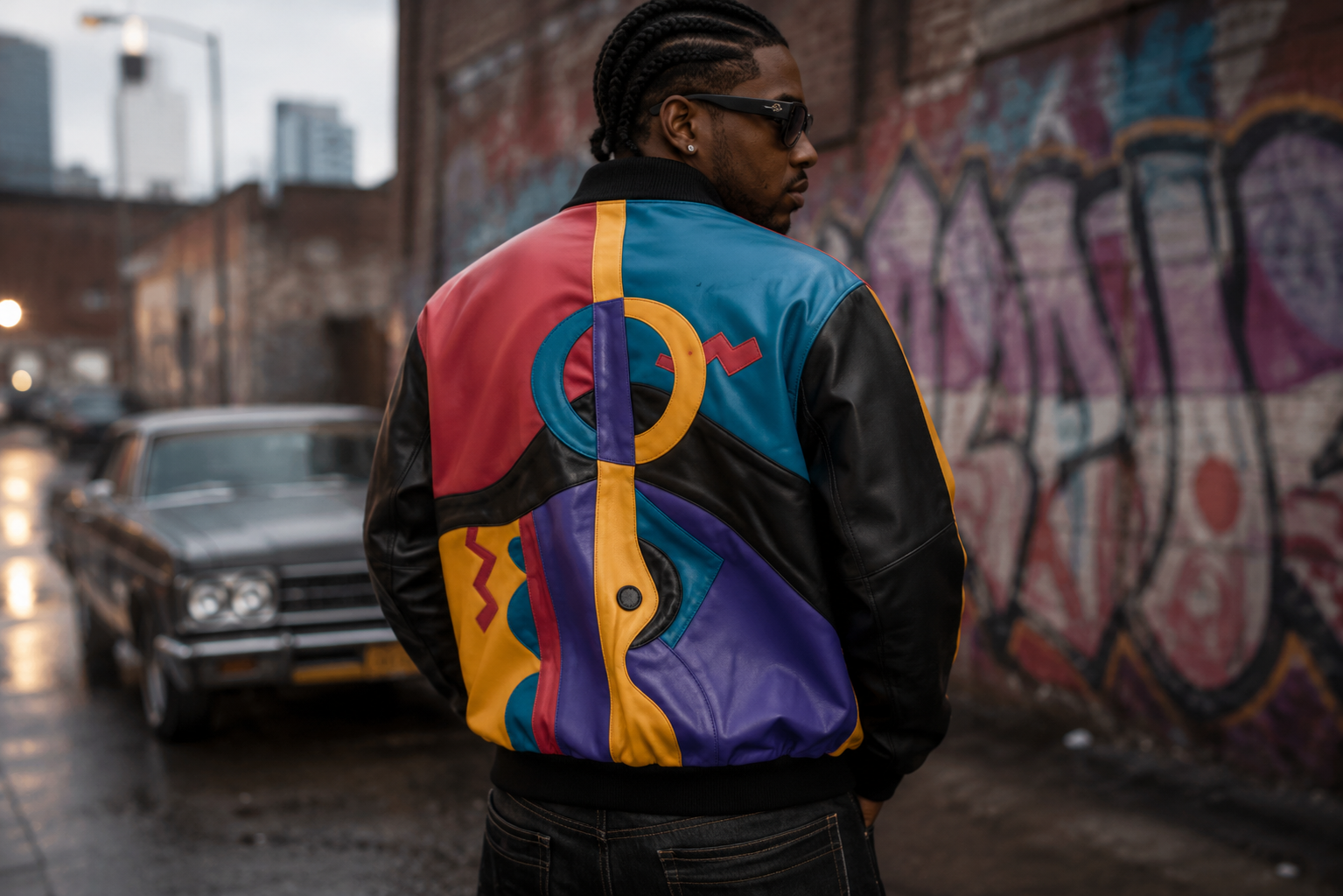
Pelle Pelle and Hip-Hop Culture
Pelle Pelle became embedded in hip-hop culture during the late 1980s and 1990s because the brand offered genuine leather quality at a price point accessible to urban consumers and produced designs that reflected the visual identity of that culture. Wearing Pelle Pelle signaled both fashion awareness and an appreciation for quality materials.
The relationship between Pelle Pelle and hip-hop was not manufactured through paid endorsements. It developed organically because the brand was producing what the community wanted: real leather, bold design, and craftsmanship that held up to the standard the brand’s name implied.
Artists, athletes, and cultural figures wore Pelle Pelle jackets in music videos, on stage, and in everyday settings throughout the 1990s. This visibility created a feedback loop where the brand’s presence in culture reinforced its desirability, and its desirability brought more cultural figures to the brand.
For anyone interested in hip-hop fashion history, Pelle Pelle occupies a specific and well-documented position. The brand represents a period when urban fashion developed its own luxury markers independent of European fashion houses.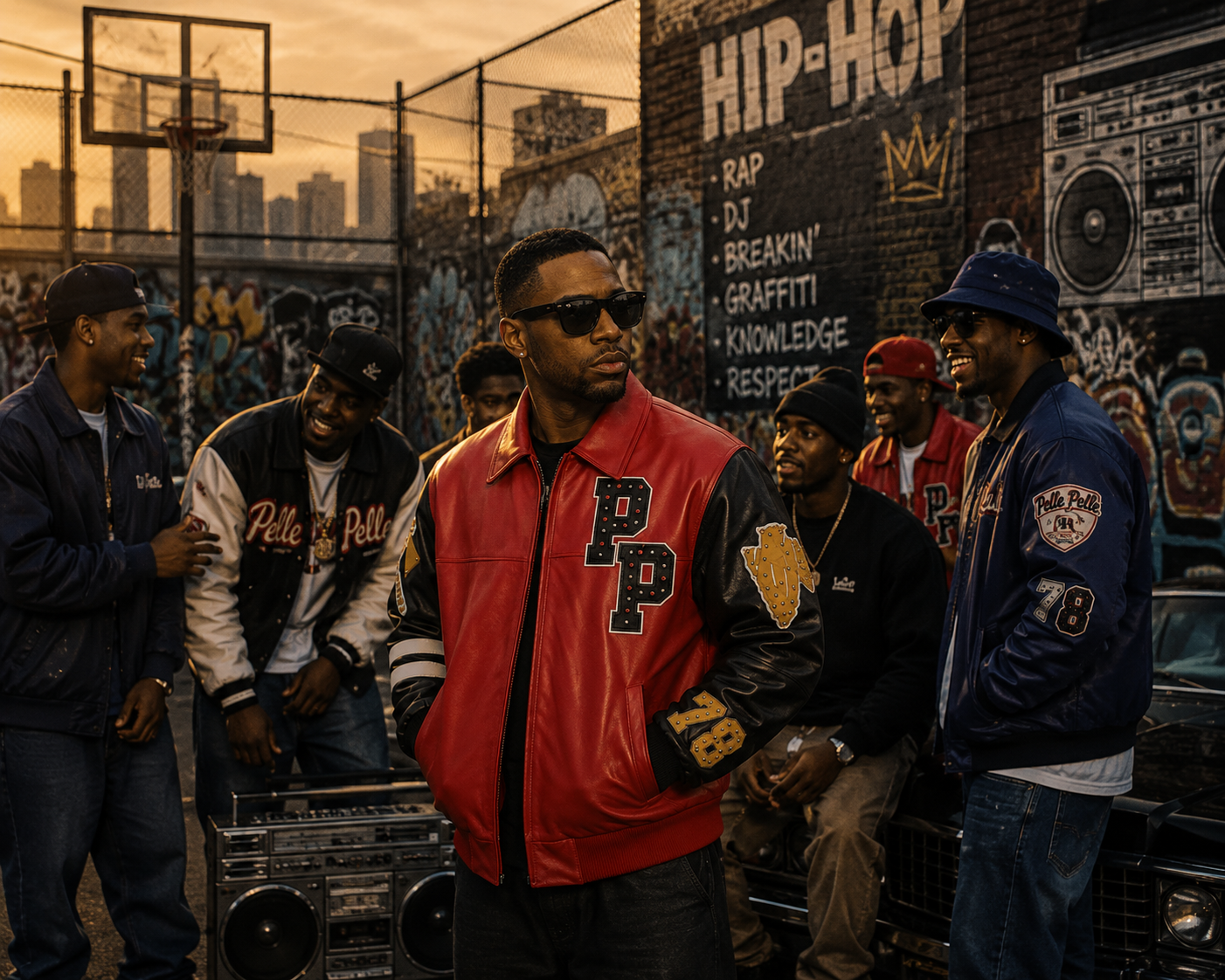
How to Style a Pelle Pelle Jacket
A Pelle Pelle jacket works best as the centerpiece of an outfit rather than a layering piece. Given the jacket’s visual weight, particularly in embroidered styles, the clothing underneath and below should stay simple. Straight-leg or relaxed-fit jeans, clean sneakers or boots, and a plain crewneck or t-shirt underneath let the jacket carry the look without visual competition.
Specific styling approaches that work well with Pelle Pelle jackets:
For a classic 1990s streetwear look: Pair a bold embroidered Pelle Pelle jacket with dark wash straight-leg jeans, a white t-shirt underneath, and clean white sneakers or classic basketball shoes. This combination reflects the era the brand is most associated with and works because the jacket does the visual work.
For a contemporary casual approach: A black or neutral-colored Pelle Pelle jacket over slim-fit dark jeans and simple leather boots gives the piece a more current context without losing its character. Keeping the rest of the outfit monochrome lets the jacket’s texture and detail stand out.
For colder weather layering: Pelle Pelle leather jackets provide wind protection and moderate insulation. For genuinely cold conditions, a lightweight knit sweater or thermal layer underneath adds warmth without changing the jacket’s silhouette significantly.
Color considerations: If the jacket is a bold color such as red or two-tone, neutral clothing underneath and below keeps the overall look balanced. For black or dark brown jackets, there is more flexibility with color in the rest of the outfit.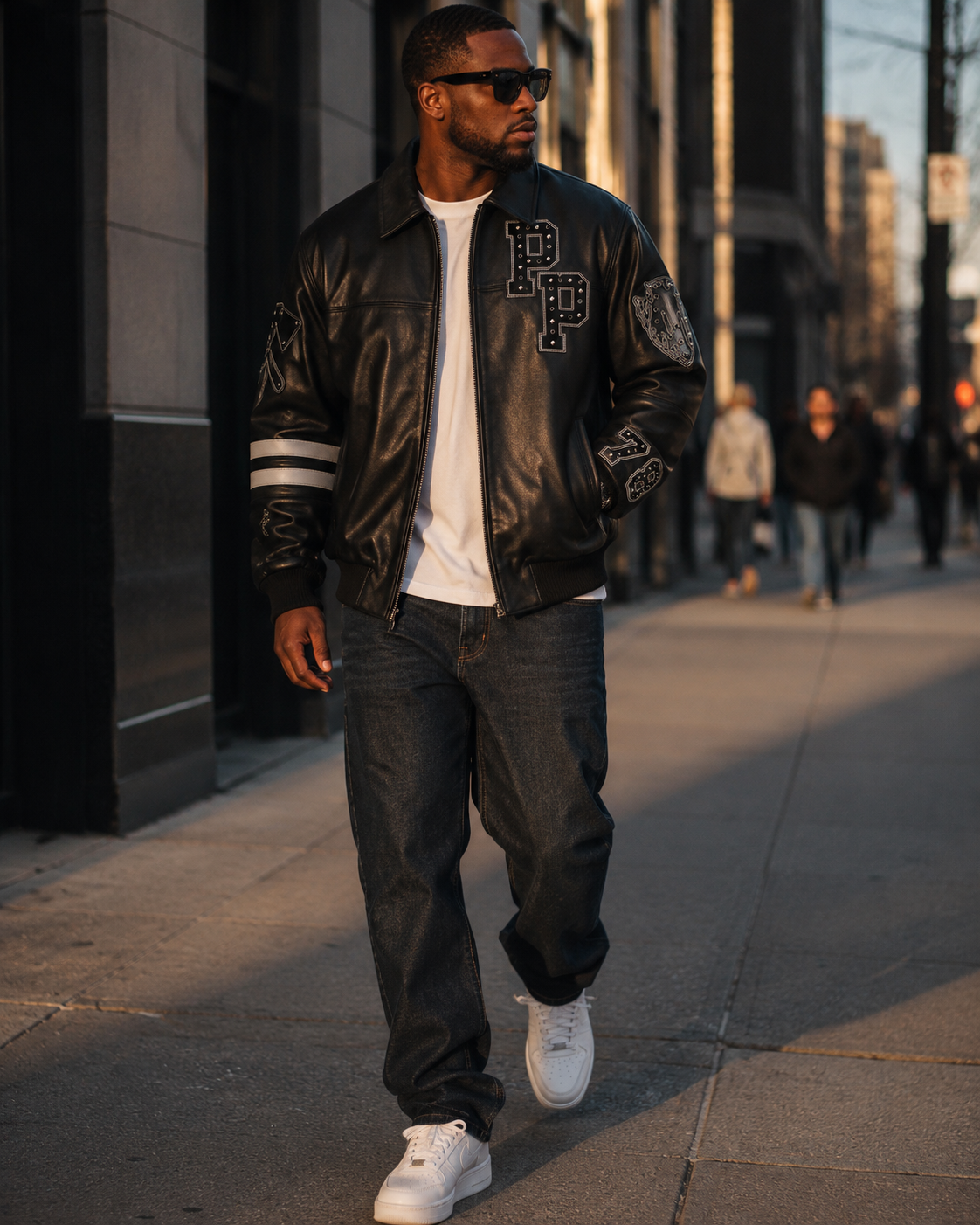
Pelle Pelle Jacket Sizing and Fit
Pelle Pelle jackets generally fit true to size for most body types, though the brand’s vintage pieces can vary. Leather jackets from this brand are designed with a relaxed but structured fit that reflects the streetwear aesthetic of their era. Buyers purchasing vintage pieces should check specific measurements rather than relying on size labels alone.
For vintage Pelle Pelle jackets specifically, sizing can vary between production years and styles. The most reliable approach is to measure your chest, shoulders, and sleeve length and compare those measurements to the actual garment measurements provided by the seller.
Key fit considerations for leather jackets in general:
Shoulder fit matters most. Leather does not stretch significantly across the shoulders, so a jacket with shoulder seams that sit too far out or too far in will not improve with wear. Shoulder fit should be correct from the start.
Chest and torso room. You want enough room to move comfortably and layer a light shirt or knit underneath, but not so much that the jacket looks oversized unless that is intentional.
Sleeve length. Sleeves on leather jackets ideally end at the wrist bone, with a small amount of the cuff showing if you wear a shirt underneath.
Body length. Most Pelle Pelle jackets hit at or slightly below the hip. This length suits most body types and works with both jeans and trousers.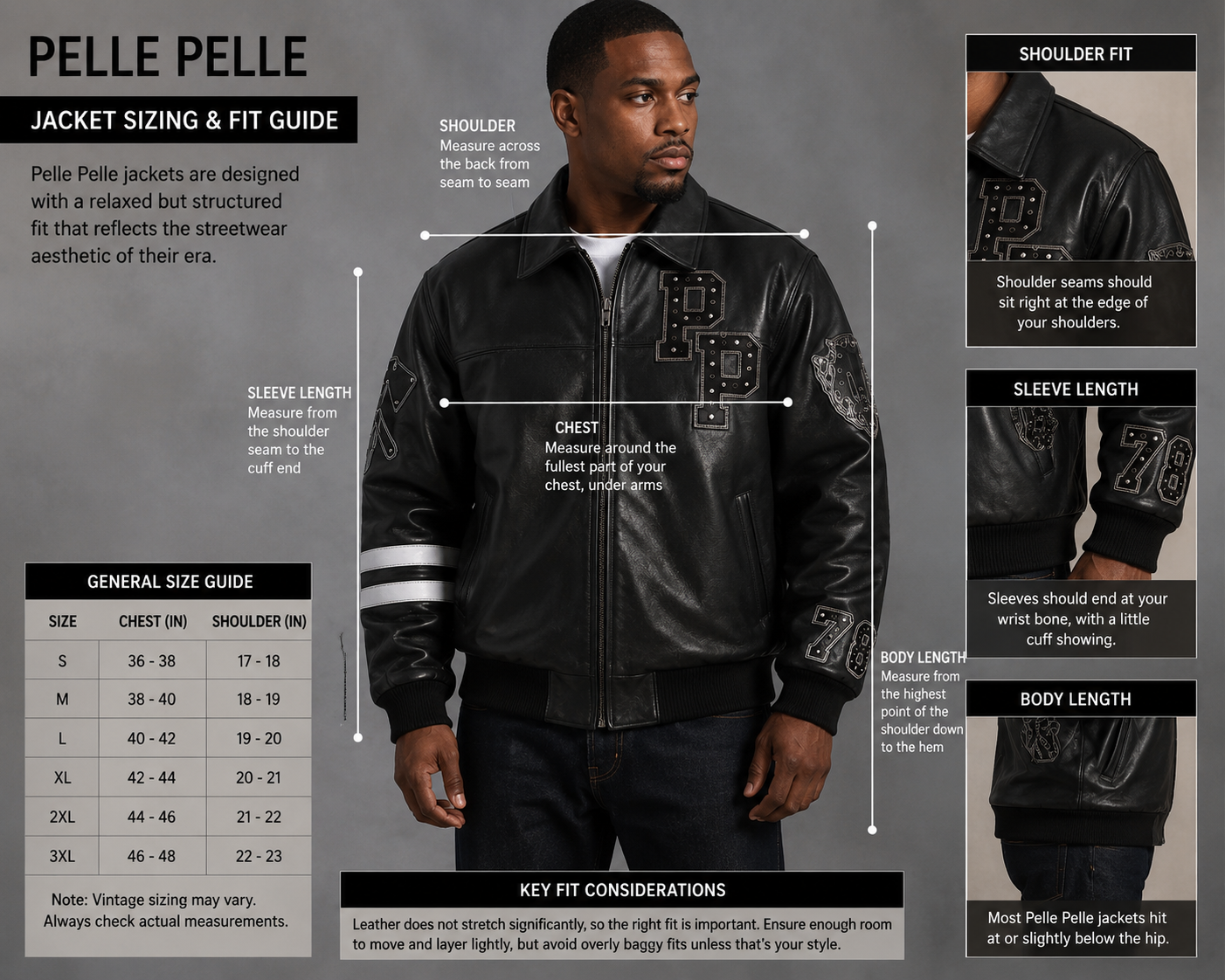
Caring for a Pelle Pelle Leather Jacket
Pelle Pelle leather jackets require basic leather care to maintain their condition. Clean the surface with a damp cloth and leather cleaner, condition the leather two to three times per year with a quality leather conditioner, store the jacket on a padded hanger away from direct sunlight, and keep it away from prolonged moisture exposure.
Detailed care guidance for genuine leather jackets:
Cleaning: Wipe surface dirt with a clean damp cloth. For deeper cleaning, use a leather-specific cleaner applied with a soft cloth in circular motions. Avoid household cleaners, alcohol-based products, and anything with harsh chemicals.
Conditioning: Leather dries out over time, which leads to cracking and stiffness. Apply a leather conditioner every few months, or more frequently if the jacket is worn regularly. Conditioning keeps the leather supple and maintains its appearance.
Storage: Hang the jacket on a wide, padded hanger that supports the shoulder structure. Avoid wire hangers that can distort the shoulders over time. Store in a cool, dry location away from direct sunlight, which fades leather color and dries it out.
Moisture: If the jacket gets wet, allow it to dry naturally at room temperature. Do not use direct heat sources such as radiators or hair dryers, which can cause the leather to shrink or crack.
Embroidery care: The embroidered sections on Pelle Pelle jackets do not require special treatment beyond keeping them clean. Avoid scrubbing embroidered areas aggressively during cleaning.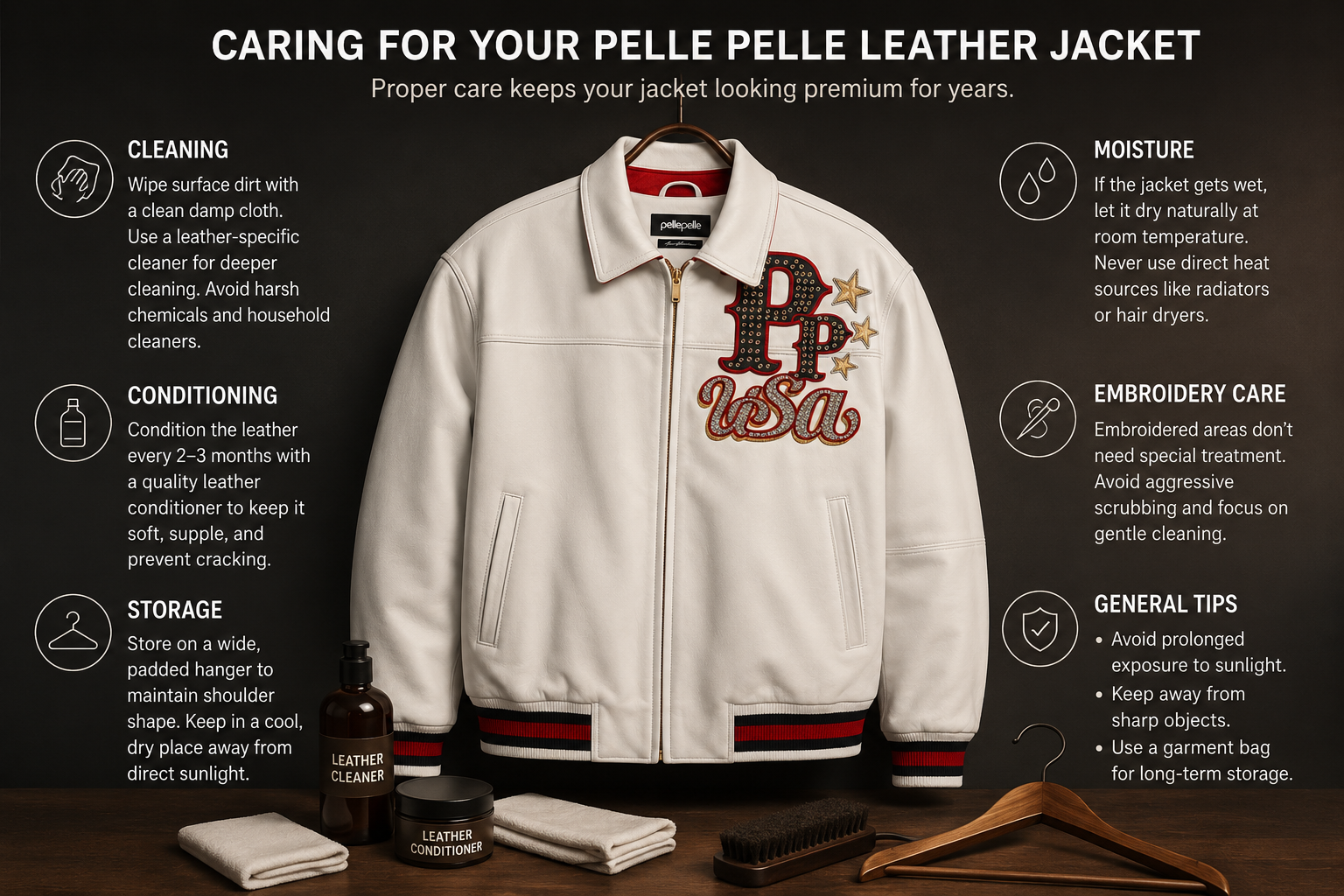
Buying a Pelle Pelle Jacket: What to Look For
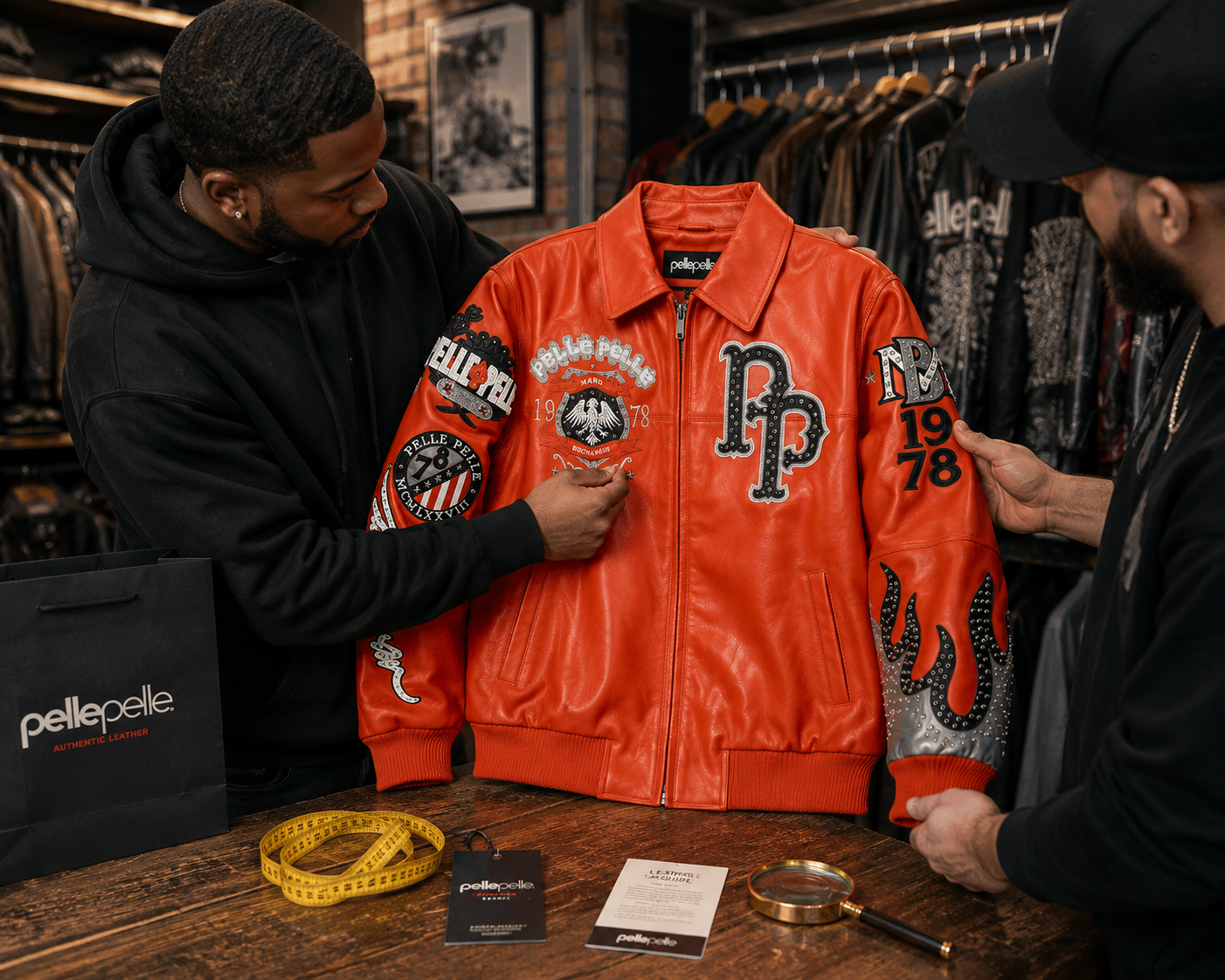
When buying a Pelle Pelle jacket, verify the leather quality by checking for a supple feel and consistent grain pattern, inspect the embroidery for clean stitching with no loose threads or puckering, confirm the hardware functions correctly, and check the lining for wear. For vintage pieces, examine the condition of the leather at flex points such as elbows and underarms.
Authenticity considerations for Pelle Pelle jackets:
Labels and branding. Authentic Pelle Pelle jackets carry consistent interior labeling with the brand name, size, and material content. The brand name on the lining and any exterior patches or embroidery should be cleanly executed.
Leather feel. Genuine leather has a specific texture and smell that is difficult to replicate convincingly. If a jacket described as genuine leather feels plasticky or has a uniform artificial texture, that warrants closer inspection.
Construction quality. Check seams, stitching lines, and the attachment of any hardware. Quality construction is a defining characteristic of the brand, so poor finishing on any of these elements is worth noting.
Condition assessment for vintage pieces. Look specifically at the elbows, underarm areas, and any fold lines where leather experiences repeated stress. Minor surface wear is normal on vintage leather, but deep cracking or peeling in these areas indicates significant wear.
Why Shop at pellepellestore.com
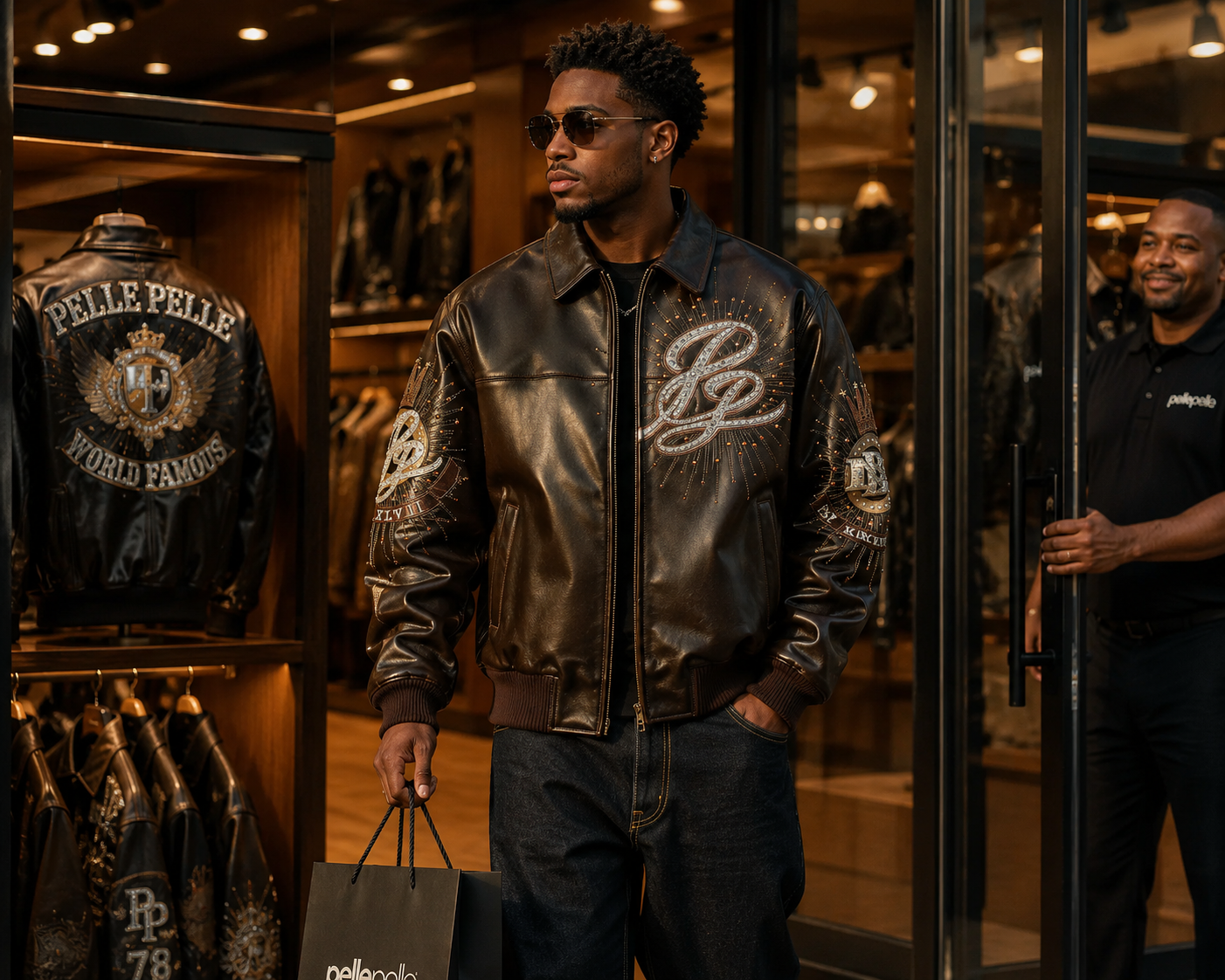
Pellepellestore.com focuses specifically on Pelle Pelle clothing and jackets, offering buyers a dedicated source for the brand rather than a general marketplace where quality and authenticity vary by individual seller.
The store carries a range of styles across the brand’s history, with product listings that include material information, sizing details, and condition descriptions for vintage pieces. For buyers who want to add a genuine Pelle Pelle piece to their wardrobe without the uncertainty that comes with general resale platforms, a brand-focused store provides a more straightforward buying experience.
FAQ: Pelle Pelle Brand and Pronunciation
How is Pelle Pelle pronounced?
Pelle Pelle is pronounced “PEL-ay PEL-ay” following Italian pronunciation rules. In American streetwear culture, “PEL-ee PEL-ee” is also widely used and understood. Both pronunciations are accepted, and neither is considered incorrect in everyday use.
What does Pelle Pelle mean in English?
Pelle Pelle means “leather leather” or “pure leather” in Italian. The word “pelle” translates to skin or leather, and repeating it emphasizes the material that defines the brand’s identity and product focus.
Who founded Pelle Pelle?
Marc Buchanan founded Pelle Pelle in Detroit, Michigan, in 1978. Buchanan built the brand around premium leather jacket construction and grew it into a significant name in urban and hip-hop fashion through the 1980s and 1990s.
Is Pelle Pelle an Italian brand?
No, Pelle Pelle is an American brand founded in Detroit. The name is Italian, chosen to reflect the brand’s focus on leather craftsmanship and to position the brand within a tradition of quality materials, but the company itself is American.
Is Pelle Pelle a luxury brand?
Pelle Pelle occupies a position between premium streetwear and accessible luxury. The brand uses genuine leather and detailed construction techniques associated with higher-end outerwear, but it was built to be accessible to urban consumers rather than positioned as an exclusive fashion house.
Why is Pelle Pelle associated with hip-hop?
Pelle Pelle became associated with hip-hop culture organically during the late 1980s and 1990s because the brand produced genuine leather jackets with bold designs that reflected urban aesthetics. Artists and cultural figures wore the brand authentically, building an association that was cultural rather than commercial.
What are Pelle Pelle jackets known for?
Pelle Pelle jackets are known for genuine leather construction, detailed embroidery work, bold color choices, and designs that reflect urban and hip-hop aesthetics. The combination of real leather quality with streetwear design language was the brand’s defining characteristic.
How do I know if a Pelle Pelle jacket is authentic?
Check the interior label for consistent branding, assess the leather for genuine texture and feel, inspect the embroidery for clean execution, and verify that all hardware functions correctly. For vintage pieces, purchase from reputable sources that provide material and condition details.
What sizes do Pelle Pelle jackets come in?
Pelle Pelle produced jackets across a standard range of sizes. For vintage pieces, always check actual garment measurements rather than relying solely on size labels, as sizing conventions and individual garment dimensions can vary between production years.
Where can I buy authentic Pelle Pelle jackets?
Authentic Pelle Pelle jackets are available through dedicated brand retailers such as pellepellestore.com, which carries a range of styles with detailed product information, as well as through established vintage and resale platforms where individual listing quality varies.
